Business
Redefining value: Why Malaysia undervalues ART & DESIGN and HOW TO CHANGE IT
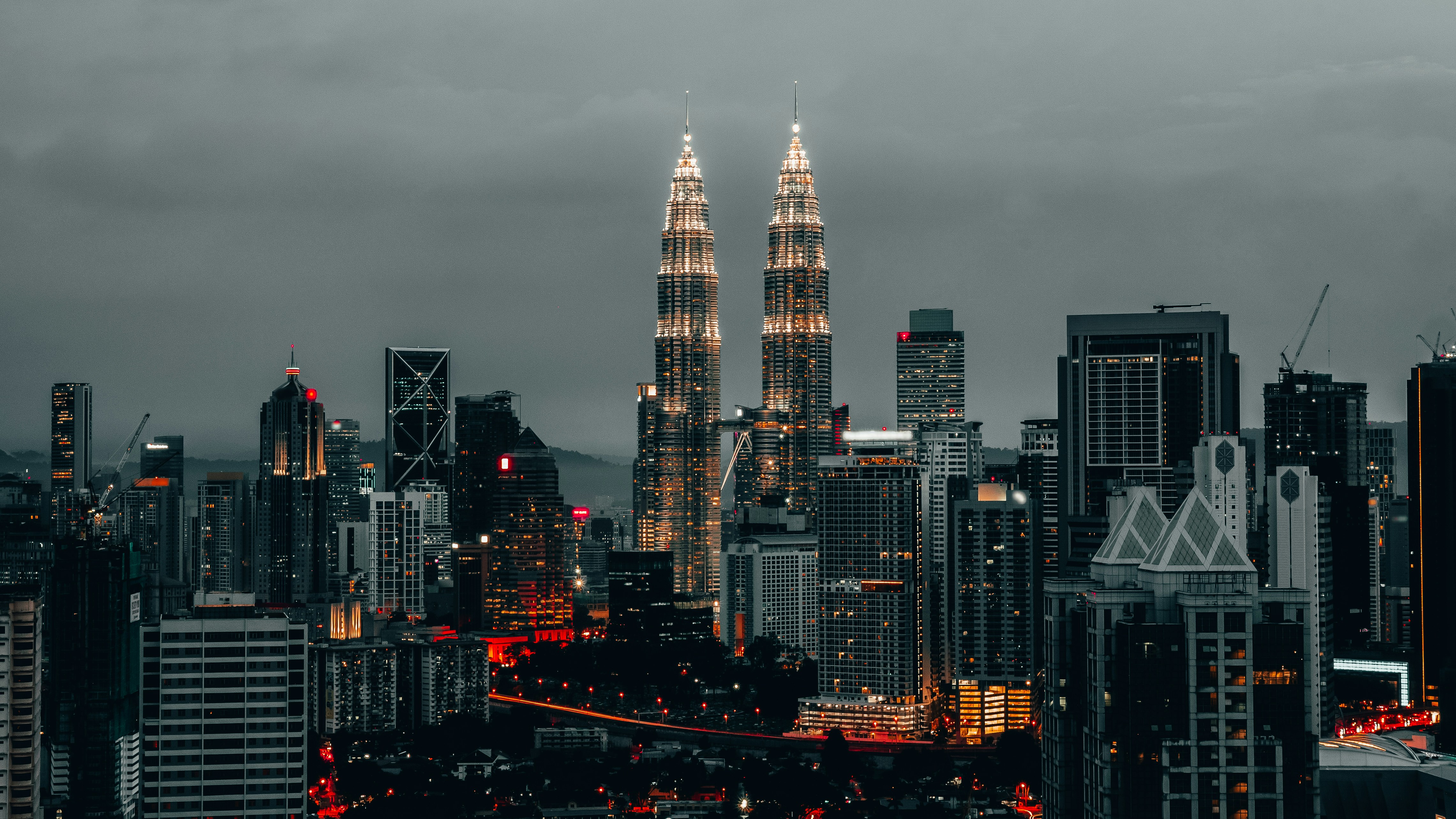
In Malaysia, art and design are often dismissed as “easy” or “hobbyist” pursuits, not “real” careers. This perception persists despite the country’s rich cultural heritage—from intricate batik to iconic Petronas Towers architecture. Why does this disconnect exist? And how can we shift mindsets to recognize creativity as a driver of economic and cultural progress? Let’s explore the roots of this issue and actionable solutions.
Why Art & Design Are Undervalued in Malaysia
Cultural Prioritization of “Safe” Careers
Many Malaysian families prioritize STEM, medicine, or business fields, viewing them as stable and prestigious. A 2020 Khazanah Research Institute survey found that 65% of parents discouraged children from pursuing creative fields, fearing financial instability. This mindset stems from generations valuing practicality over passion, reinforced by societal pressure to conform.The Gig Economy Trap
Freelance platforms and social media have made art more accessible but also devalued it. A 2023 study by MyCreative Ventures revealed that 40% of local graphic designers earn below RM2,500/month due to undercutting and clients expecting “quick, cheap work.” The perception that “anyone with Photoshop can design” undermines professional expertise.Education System Gaps
While the Malaysian Education Blueprint 2013–2025 emphasizes creativity, implementation lags. Many schools lack dedicated art programs or trained instructors. Students are funneled into science streams, leaving arts as an afterthought. UNESCO’s 2021 report ranked Malaysia 56th out of 67 countries in arts education investment.Minimal Government & Corporate Investment
Though agencies like MyCreative Ventures and CENDANA exist, funding remains limited. In 2022, Malaysia allocated just 0.5% of its national budget to arts and culture, compared to Singapore’s 1.8%. Meanwhile, corporate sponsorships for local art events are rare, unlike the thriving sponsor culture in South Korea or Japan.
How to Change the Narrative
Education Reform: From STEM to STEAM
Integrate arts into STEM (Science, Technology, Engineering, Math) to create STEAM curricula. For example, pairing coding with graphic design or architecture with traditional craft workshops. Pilot programs in Penang and Johor have shown improved student engagement and critical thinking.Government Action: Policies & Funding
Increase arts funding to at least 1.5% of the national budget, focusing on grants for emerging artists.
Launch public campaigns, like South Korea’s “Culture Day,” to celebrate local art.
Enforce stricter copyright laws to protect creators from exploitation.
Amplify Success Stories
Highlight Malaysian creatives making global waves:Tang Yeok Khang, illustrator for The New York Times.
Pangrok Sulap, a Sabah-based collective featured in the Venice Biennale.
Biji Biji Design, upcycling waste into high-end products.
Media coverage of these stories can reshape public perception.Corporate Partnerships
Encourage CSR initiatives to fund arts education and sponsor exhibitions. For example, Petronas’ iconic “Tanah Air” commercials blend art and storytelling, proving creativity’s commercial value.Grassroots Movements
Support community-driven projects like Kuala Lumpur’s “Art Walks” or George Town Festival. Crowdfunding platforms like Mystartr can help local artists bypass traditional funding barriers.
Art as Nation-Building
Art and design are not luxuries—they’re economic assets and cultural keystones. By valuing creativity, Malaysia can foster innovation, preserve heritage, and inspire global recognition. As artist Hasanul Isyraf Idris said, “Our art is our voice; it’s time the world hears it.”
#valuedesign
DATE:
March 7, 2025 at 12:00 AM
Article by:
Ryan K
IMAGE CREDIT:
Ryan K